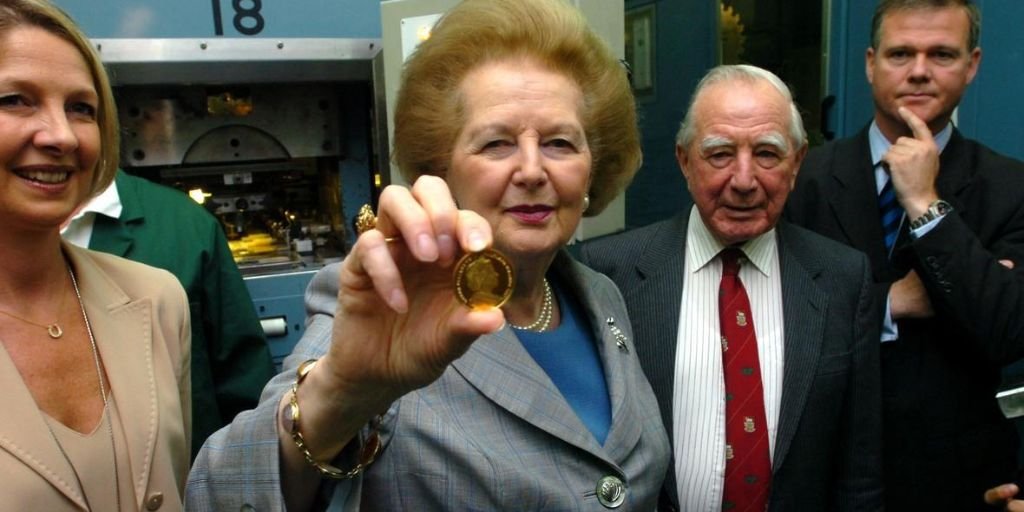

Coins connected to famous political leaders often attract attention from collectors, history enthusiasts, and people who have discovered an unusual piece of money in an old collection. One name that may lead to questions is Margaret Thatcher, the former British prime minister who became one of the most influential and controversial political figures of the 20th century.
But what exactly is a Margaret Thatcher coin? Is it an official British coin, a commemorative medal, or a collectible item made in her honour? And if you own one, how can you determine its value?
Understanding the answers requires looking at British coinage, Thatcher’s historical importance, commemorative designs, and the factors that influence collectible prices. Whether you’re a beginner or an experienced collector, this guide will help you identify what you have and understand what it might be worth.
1. Who Was Margaret Thatcher?
Margaret Thatcher was a British politician who served as prime minister of the United Kingdom from 1979 to 1990. She was the first woman to hold the office and became internationally known for her strong leadership style, economic policies, and influence on modern British politics.
Born on 13 October 1925 in Grantham, England, Thatcher studied chemistry at the University of Oxford before entering politics. Her career developed over several decades, eventually leading her to become leader of the Conservative Party in 1975.
During her time as prime minister, she supported policies involving privatisation, reduced government involvement in parts of the economy, and changes to trade unions. Supporters praised her determination and economic reforms, while critics argued that her policies increased inequality and caused hardship in some communities.
Her government also played a major role in the Falklands War in 1982 and in the changing relationship between Britain, the United States, and the Soviet Union during the Cold War.
Why does this matter to coin collectors?
Coins and medals frequently commemorate people who have shaped a nation’s history. A political leader’s legacy can make related collectibles interesting to historians and collectors, even when the item has no everyday spending value.
Thatcher’s historical importance provides a reason for commemorative pieces bearing her name or image to attract interest. However, her fame alone does not establish the rarity or market value of any particular item.
2. What Is a Mararet Thatcher Coin?
The expression “Margaret Thatcher coin” can refer to different types of collectible objects. It is important to identify the exact item before deciding whether it has financial or historical value.
Commemorative coins
A commemorative coin is issued to recognise a person, event, anniversary, or important part of a country’s history. Some commemorative coins are official legal tender, while others are produced primarily for collectors.
Commemorative medals
A medal may feature Thatcher’s portrait, name, dates, or a reference to her political career. Medals can look very similar to coins, but they generally do not have legal-tender status.
Private mint issues
Private manufacturers sometimes produce limited-edition pieces honouring prominent historical figures. These may be sold as souvenirs, presentation pieces, or collector products.
Fantasy or novelty coins
Some pieces imitate the appearance of official currency without being authorised currency. They may have decorative designs, unusual denominations, or political messages.
The distinction is essential. A medal made in Thatcher’s honour is not automatically an official British coin, and a piece described as “limited edition” is not necessarily rare.
Think of identifying a collectible like identifying an old car. The badge on the bonnet may tell you something about its maker, but you still need to check the model, year, condition, and authenticity before estimating its price.
3. The 1979 Margaret Thatcher Commemorative Medal
One particularly interesting collectible is the 1979 medal celebrating Thatcher’s election as Britain’s first female prime minister.
The medal is catalogued as a British commemorative piece and is associated with Birmingham Mint. It records a major political milestone and provides a physical reminder of the beginning of Thatcher’s premiership.
Key details of the 1979 medal
- Date: 1979.
- Subject: Margaret Thatcher becoming prime minister.
- Obverse: A portrait of Thatcher with wording identifying her as the Right Honourable Margaret Thatcher, MP.
- Reverse: An image of the Houses of Parliament with an inscription celebrating Britain’s first female prime minister.
- Material: A catalogued example is described as nickel bronze; other examples or related versions may use different materials.
- Purpose: Historical commemoration rather than everyday spending.
The medal is especially interesting because its design connects a person with a specific moment in British political history.
It is also important not to assume that every example is made of silver or gold. Similar-looking medals may have different compositions, weights, finishes, or manufacturers. The exact inscription and physical characteristics help distinguish one version from another.
Collectors can compare their pieces with catalogued examples on Numista and with historical auction descriptions. These references are useful starting points, although professional examination may still be necessary to establish authenticity.
4. Are There Official Margaret Thatcher Coins?
This is one of the most important questions for anyone researching the subject.
The answer depends on the particular issue. Some items connected with Thatcher are commemorative medals, while other collectibles have been issued by different authorities or mints in connection with British history.
A documented example is a 2013 silver proof £2 coin included in an auction description of commemorative coins issued by Pobjoy Mint for Ascension Island. The listing identifies it as commemorating Margaret Thatcher.
Assortment of Pobjoy Mint Commemorative
This illustrates why it is important to look beyond the words “British coin.” An item associated with Britain may have been issued for a British Overseas Territory or another issuing authority rather than as a regular circulating coin of the United Kingdom.
How to distinguish the different types
| Feature | Official commemorative coin | Commemorative medal |
|---|---|---|
| Legal-tender status | Depends on the issuing authority and denomination | Generally not legal tender |
| Issuing body | An authorised government or monetary authority | A mint, organisation, or private producer |
| Denomination | Usually stated where applicable | May have no denomination |
| Primary purpose | Currency and/or collecting | Commemoration and collecting |
| Value | Face value may apply, but collector value can differ | Determined by material, rarity, demand, and condition |
The Royal Mint provides information about British coinage and commemorative products. Its official catalogues are useful for checking whether an item belongs to a recognised UK coin issue.
The Royal Mint
Remember, an item can be historically important without being legal tender. Equally, a genuine commemorative coin can be valuable to collectors even if its face value is relatively small.
5. Margaret Thatcher Coin Value: How Much Is It Worth?
The value of a collectible associated with Thatcher can vary significantly. There is no single price that applies to every item described as a Margaret Thatcher coin.
The most useful starting point is to identify the precise issue and compare it with documented sales of the same or a closely matching example.
Historical auction results demonstrate the range of possibilities. A 1979 commemorative silver-gilt medallion weighing approximately 45.46 grams was sold as part of a mixed lot for £50 in February 2022. Another auction record from 2012 describes a 9-carat gold medal weighing 3.1 grams and records a price of £65. These are historical results, not current valuations, and the circumstances of each sale differ.
Margaret Thatcher Commemorative Silver Gilt
A separate online listing for a silver medal associated with Thatcher and the Una and the Lion design showed a price of US$119.95, with the seller accepting a lower undisclosed offer. An asking price or accepted-offer listing should not be treated as a verified final market benchmark for other examples.
What do these examples tell us?
They show why material, design, condition, and sale circumstances matter. A gold medal, a silver-gilt piece, and a base-metal medal may look similar in photographs but have very different underlying values.
Factors that influence the price
1. Metal content
Gold and silver pieces may have an intrinsic metal value in addition to their collectible appeal. However, gold-coloured plating is not the same as solid gold, and silver-coloured metal is not necessarily silver.
2. Rarity
An item produced in a small quantity may attract greater interest, particularly if collectors actively seek that particular issue. Yet a claim of limited production is not proof of scarcity.
3. Condition
Sharp details, clear lettering, an undamaged edge, and an attractive finish may improve desirability. Scratches, corrosion, cleaning marks, and damage can reduce it.
4. Historical significance
A piece directly connected with Thatcher’s election in 1979 may interest collectors of British political memorabilia. Its significance, however, does not guarantee a high selling price.
5. Provenance
Original packaging, a certificate, an old receipt, or reliable ownership history can help identify an item. Documentation is most useful when it matches the specific piece.
6. Market demand
Prices depend on the number of interested buyers, current collecting trends, and the availability of comparable items.
7. Selling costs
Auction commissions, online selling fees, postage, insurance, and currency conversion can reduce the amount a seller actually receives.
The best approach is to treat any online price as a clue rather than a promise. A completed sale of the same issue is generally more informative than a seller’s ambitious asking price.
6. How to Identify Your Margaret Thatcher Collectible
If you have discovered a round metal object featuring Thatcher’s portrait, you do not need to be an expert to begin identifying it.
Start by examining both sides in good lighting. Use a magnifying glass if necessary, but avoid scratching the surface or applying chemicals to reveal hidden details.
Step 1: Read the inscriptions
Look for words such as “Margaret Thatcher,” “Prime Minister,” “1979,” or “Britain’s First Lady Prime Minister.” These phrases can help you match the object to a catalogue entry.
Step 2: Check the date
The date may refer to the event being commemorated, the year of manufacture, or another historical milestone. Do not automatically assume that a date on the medal tells you when it was struck.
Step 3: Measure the diameter and weight
A ruler or digital calliper can help establish the diameter, while a suitable digital scale can measure the weight. Compare the measurements with a reliable catalogue description.
Step 4: Examine the edge
Some pieces have plain edges, while others feature lettering, patterns, or other marks. Record what you see rather than trying to alter the object.
Step 5: Look for a mint mark or maker’s name
A manufacturer’s name, initials, or small symbol may help identify the producer. Not every medal carries a visible mark.
Step 6: Check the packaging
A presentation box, certificate, or original label may contain useful information about the issue, material, and date. Remember that packaging can become separated from its original item over time.
Step 7: Compare reliable references
Use established numismatic catalogues, museum collections, and auction archives. For a starting point, the Numista entry for the 1979 Thatcher medal documents a 45 mm nickel-bronze piece weighing 38 grams.
United Kingdom – Numista
If the piece appears to contain precious metal or has a potentially significant value, consult a reputable coin dealer or independent specialist before selling it.
7. What Materials Were Used?
The material used to make a Thatcher commemorative piece can have a major effect on both its appearance and value.
Collectors should understand the difference between a metal’s colour, its surface finish, and its actual composition.
Nickel bronze
The 1979 medal documented by Numista is listed as nickel bronze, a copper-based alloy containing nickel and other metals. Such an alloy can produce a durable, detailed commemorative object without the expense of precious metals.
Silver and silver-gilt
Silver medals have their own metal value, depending on weight and purity. Silver-gilt items have a gold layer over a silver surface, although the exact construction should be verified for each piece.
Gold
Some Thatcher-related medals have been described as 9-carat gold. Because gold content varies by purity and weight, the metal value must be calculated using the actual gold content rather than the total weight alone.
London Coins
Gold-plated base metal
A gold-coloured finish may be applied to an inexpensive base metal. Although plating can make a piece attractive, it does not give the object the same intrinsic value as solid gold.
Other alloys
Modern commemorative products can be made from copper-nickel, brass, bronze, or other materials. A photograph alone cannot reliably establish the metal composition.
How can you tell what your item is made of?
Start with the manufacturer’s documentation and catalogue references. If the metal is uncertain, a professional may use appropriate testing equipment to identify its composition without causing unnecessary damage.
Avoid relying on colour, weight alone, or a household magnet as definitive proof. These methods can offer clues, but none is sufficient to establish the full composition and authenticity of every collectible.
8. Coin Condition, Grading, and Preservation
Condition is one of the most important considerations when collecting historical coins and medals. Two examples of the same design can have different values because one has survived in excellent condition while the other has suffered wear or damage.
Common condition descriptions
- Uncirculated: An item that has not been used in ordinary circulation. For medals, the term may be used informally to describe an unworn example.
- Extremely fine: A piece with most of its original detail remaining and only limited signs of wear.
- Very fine: A collectible with noticeable wear but with its main design and lettering still clearly visible.
- Fine: An item showing more substantial wear, although important design features remain identifiable.
- Damaged: A piece with significant scratches, corrosion, dents, or other physical problems.
These terms are commonly used in numismatics, but grading standards can vary depending on the type of object and the specialist or grading service assessing it.
How should you protect your collectible?
Keep the medal or coin in a suitable protective holder. Store it in a dry environment away from excessive heat, moisture, and direct sunlight.
Avoid polishing the surface. Cleaning can remove the original finish, create scratches, and reduce collector appeal. Even when a piece looks dirty, its natural surface may be more desirable than an aggressively cleaned one.
If the item is silver or another reactive metal, choose storage materials designed for collectibles. Avoid PVC-containing plastic holders that can damage metal over time.
Original packaging should also be preserved when possible. A box or certificate may add context and help with identification, although it does not automatically increase the selling price.
Think of a historical medal as an old photograph. Once its original surface has been damaged, you cannot always restore the character that made it special in the first place.
9. Where Can You Buy or Sell a Margaret Thatcher Coin?
If you want to buy one or sell a piece you already own, there are several options worth considering.
Online marketplaces
Platforms such as eBay can help you find examples offered by private sellers and specialist dealers. Compare the exact design, metal, dimensions, and condition rather than searching by name alone.
Remember to distinguish asking prices from completed sales. A listing that remains unsold for months does not demonstrate that buyers are willing to pay the advertised amount.
Coin dealers
A reputable dealer may be able to identify the issue, inspect the material, and provide an offer. If the item may be valuable, consider obtaining more than one opinion.
Auction houses
Auction houses can be useful for unusual medals, precious-metal examples, and historical memorabilia. Before consigning an item, ask about the estimated price, commission, seller fees, and payment arrangements.
Coin fairs and collector groups
Local collector events provide opportunities to compare items and speak with people who specialise in British medals. These can be particularly helpful when an online description is incomplete.
Historical catalogues
The Tennants Auctioneers and London Coins have published records relating to Thatcher medals. Their historical sales provide useful comparisons, although past results do not guarantee future prices.
Margaret Thatcher Commemorative Silver Gilt
Tips for buying safely
- Request clear photographs of both sides and the edge.
- Check whether the seller identifies the material accurately.
- Ask about certificates, original packaging, and provenance.
- Compare completed sales of matching items.
- Review the seller’s history and return policy.
- Avoid paying a large premium simply because a listing uses the words “rare,” “museum quality,” or “limited edition.”
If you are selling, describe the item honestly and include its measurements, weight, visible markings, condition, and any supporting documentation.
10. Why Collectors Find These Pieces Interesting
The appeal of a Margaret Thatcher collectible is not limited to its metal content. It can also represent a significant period in British political and social history.
Thatcher’s premiership remains a subject of debate. Her supporters often emphasise her determination, economic reforms, and international influence. Critics focus on the social consequences of her policies and their effects on particular industries and communities.
A commemorative medal offers a way to examine that history through an object rather than through written accounts alone.
Political history and collecting
Collectors often build collections around a particular theme, such as prime ministers, elections, major speeches, or significant events. A Thatcher medal can fit naturally into a wider collection of British political memorabilia.
Design and craftsmanship
Portraits, inscriptions, buildings, and symbolic images help tell the story behind a commemorative issue. Comparing different designs can reveal how manufacturers chose to represent the same person or event.
Personal and family connections
Some people collect medals because they remember the period in which the event took place. Others inherit them from family members or discover them while sorting through old possessions.
Educational value
For students and history enthusiasts, the item can provide a starting point for research into elections, political leadership, and the development of modern Britain.
A collectible is a little like a time capsule. It may be made of metal, but its inscriptions and imagery preserve a connection to the events and people of another era.
That connection can be meaningful even when the object has only modest financial value.
11. Is a Margaret Thatcher Coin a Good Investment?
Some collectors hope that a historical medal or commemorative coin will increase in value. While appreciation is possible, it is not guaranteed.
The market for collectibles depends on changing interests, the availability of similar items, the condition of surviving examples, and the number of buyers competing for them.
Precious-metal content may provide a useful reference point for some pieces, but a medal’s resale value can differ from its metal value. Conversely, a historically interesting item made from inexpensive metal may attract buyers because of its rarity or design.
Before buying for investment purposes, consider these points.
Research the actual market. Look for completed sales of the same issue and compare the condition and material.
Calculate the full cost. Include the purchase price, shipping, insurance, authentication, and any eventual selling fees.
Be realistic about liquidity. A collectible may take time to sell, especially if its appeal is limited to a small group of specialists.
Avoid guaranteed-profit claims. No seller can reliably promise that an ordinary commemorative medal will become valuable in the future.
Buy what interests you. If you enjoy British history and political memorabilia, collecting can be rewarding even when the financial return is uncertain.
For most beginners, the sensible approach is to treat a Thatcher collectible primarily as a historical object rather than a guaranteed investment.
12. Conclusion: Understanding the Value of a Margaret Thatcher Coin
A Margaret Thatcher coin or medal can offer a fascinating connection to one of Britain’s most influential political leaders. From the 1979 commemorative medal marking her arrival as prime minister to later collectible issues, these objects combine historical significance with the craftsmanship of commemorative design.
The most important step is to identify the exact item. Check its inscriptions, date, material, weight, dimensions, and condition before estimating its value. Then compare it with reliable catalogue entries and completed auction sales.
Above all, do not assume that every Thatcher-themed piece is an official UK coin or that every limited-edition medal is rare. Accurate identification is the foundation of good collecting.
Whether you plan to buy, sell, or simply preserve a family heirloom, understanding the story behind the object can make it much more interesting. Sometimes the greatest value of a historical collectible lies not in its price, but in the history it helps us remember.
Frequently Asked Questions (FAQs)
1. How much is a Margaret Thatcher coin worth?
Its value depends on the exact issue, metal content, rarity, condition, and buyer demand. Historical auction records include Thatcher commemorative medals sold for £50 and £65 in different circumstances, but these figures are not current valuations for every example.
Margaret Thatcher Commemorative Silver Gilt
2. Is there an official Margaret Thatcher coin?
There are documented commemorative issues connected with Thatcher, including a 2013 silver proof £2 coin identified in an auction catalogue as commemorating her. Other Thatcher-themed objects are medals rather than legal-tender coins. Always verify the issuing authority and specific design.
Assortment of Pobjoy Mint Commemorative
3. What is the 1979 Margaret Thatcher medal?
It is a commemorative medal marking Thatcher’s appointment as Britain’s first female prime minister. A catalogued example features her portrait on one side and the Houses of Parliament on the other. The documented nickel-bronze version measures 45 mm and weighs 38 grams.
4. How can I tell whether my Margaret Thatcher coin is gold or silver?
Check the original documentation, hallmarks, and catalogue specifications. If the composition remains uncertain, ask a reputable dealer or precious-metal specialist to test it. Colour and appearance alone cannot establish whether an item contains solid gold or silver.
5. Where can I sell a Margaret Thatcher coin or medal?
You can consider specialist coin dealers, reputable auction houses, online marketplaces, and coin fairs. Compare completed sales of matching items and check all fees before accepting an offer. For an unusual or potentially valuable piece, an independent valuation can help you make a more informed decision.