

Introduction
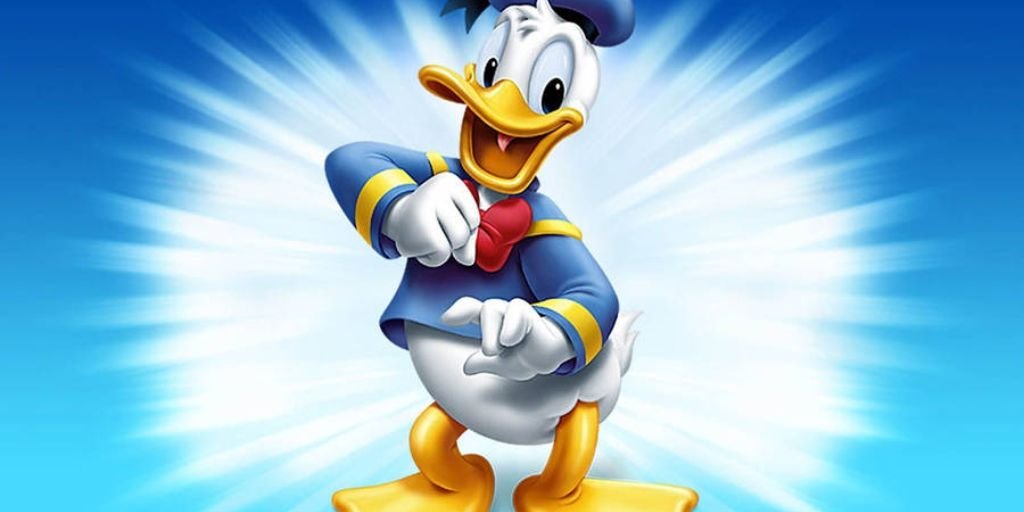
Donald Duck is one of the most recognizable cartoon characters in the world. With his blue sailor shirt, distinctive voice, short temper, and funny facial expressions, he has entertained generations of children and adults. But one feature that makes him especially memorable is his face. His wide bill, expressive eyes, and exaggerated reactions can communicate happiness, anger, surprise, and frustration without needing many words.
The phrase “Donald Duck face” can refer to the cartoon character’s distinctive facial design, a funny expression inspired by him, or a duck-like look created for photos, costumes, and online entertainment. In some beauty and social media conversations, it can also describe lips that appear unusually large or pushed forward.
So, what makes this expression so special? And why has it remained popular for so many years? Let’s explore the character’s facial features, the animation techniques behind his expressions, his cultural influence, and the different meanings people attach to this familiar look.
1. Who Is Donald Duck?
Donald Duck is a famous animated character created for Walt Disney Productions. He made his official screen debut in the 1934 animated short The Wise Little Hen. His unusual voice, sailor outfit, and easily recognizable appearance quickly helped him stand out from other cartoon characters.
Unlike many cheerful cartoon heroes, Donald is known for having a complicated personality. He can be friendly, proud, impatient, nervous, and determined, sometimes within the same scene. These personality traits are closely connected to his facial expressions.
His face often reveals what he is feeling before he even begins to speak. When something annoys him, his eyes narrow, his bill moves forward, and his eyebrows create an angry look. When something surprises him, his eyes widen and his bill opens.
This combination of appearance and personality makes him more than just a cartoon duck. He is a character whose face tells a story.
Why does his appearance matter?
Cartoon characters need visual features that audiences can recognize quickly. Donald’s white feathers, orange bill, expressive eyes, and sailor clothing create a distinctive design. Even a simple drawing of his head can be enough for many people to identify him.
His face has become an important part of his identity, helping him remain familiar across animated films, comic books, toys, television shows, and merchandise.
2. What Does a Donald Duck Face Look Like?
The expression is defined by a few distinctive features.
The classic facial design combines several simple features that work together to create a memorable look.
The wide orange bill
Donald’s bill is his most distinctive facial feature. It is broad, flat, and usually orange. Unlike a human mouth, it can open widely, stretch into different shapes, and communicate emotions through movement.
The expressive eyes
His eyes help audiences understand his mood. Wide eyes can suggest surprise or excitement, while narrowed eyes often indicate anger, suspicion, or impatience.
The eyebrows and forehead
Although Donald is a duck, his animated eyebrows behave much like human eyebrows. They rise, lower, and angle sharply to make his expressions easier to understand.
The rounded head and white feathers
His rounded head and white feathers provide a simple background for his colorful bill and eyes. This makes his face easy to recognize, even in a small drawing or cartoon image.
The sailor hat and blue clothing
His sailor hat often appears in close-up shots and adds to his recognizable silhouette. Although it is not part of his face, it helps viewers identify the character immediately.
Together, these details create a design that is simple but full of personality. Think of his face as a small stage: his eyes, bill, and eyebrows are the actors, each playing a role in telling the story.
3. Why Is Donald Duck’s Facial Expression So Funny?
Donald Duck’s face is funny because it combines familiar emotions with exaggerated movements. People recognize anger, surprise, excitement, and embarrassment in everyday life. Animation takes these ordinary reactions and makes them larger, clearer, and more entertaining.
Imagine dropping an ice cream cone on a hot summer day. You might look disappointed, raise your eyebrows, or open your mouth in surprise. Donald might respond by widening his eyes, stretching his bill, shaking his head, and making a dramatic sound.
That difference creates comedy.
Exaggeration makes emotions easier to understand
In animation, a subtle expression may be difficult to notice, especially when characters move quickly. Exaggerated eyes, a dramatically opened bill, and sharp head movements make emotions clear even without dialogue.
Unexpected reactions create humor
Donald is famous for reacting strongly to small problems. A minor inconvenience can lead to an enormous outburst. The contrast between a small problem and a dramatic reaction makes the scene funny.
His expressions match his personality
Donald is proud and often wants things to go his way. When something interrupts his plans, his face reflects his frustration. Viewers may laugh because they recognize a little of their own impatience in his behavior.
His voice adds another layer
His distinctive, often difficult-to-understand voice works together with his facial movements. When his bill moves rapidly during an angry outburst, the visual and audio elements reinforce one another.
The result is a character whose face is funny even when viewers do not understand every word he says.
4. The Different Types of Donald Duck Faces
The expression is not limited to one particular look. Donald has a wide range of facial reactions, and each one serves a different purpose.
The angry face
This is perhaps his best-known expression. His eyes narrow, his eyebrows angle downward, and his bill opens as he begins to complain. His whole face seems to announce that something has gone wrong.
The surprised face
When Donald encounters something unexpected, his eyes widen and his bill drops open. This expression is useful in cartoons because it immediately communicates shock.
The happy face
A relaxed expression, bright eyes, and a cheerful smile give Donald a friendlier appearance. This look often appears when he succeeds at a task or enjoys a pleasant moment.
The confused face
Donald sometimes tilts his head, narrows one eye, or looks uncertain. This expression makes him appear puzzled, especially when he cannot understand another character’s actions.
The mischievous face
A sly look can suggest that Donald has an idea or plans to do something that might not work out as expected. The audience may suspect trouble before he even begins.
The embarrassed face
When his plans fail or someone catches him making a mistake, his expression may change from confidence to discomfort. This is another reason people find him relatable.
Each expression gives animators a different way to communicate emotion. Together, they make his face useful for storytelling, comedy, reaction images, and playful imitation.
5. What Does “Donald Duck Face” Mean on Social Media?
Online, a phrase can develop several meanings beyond its original reference. The expression associated with Donald Duck is a good example.
People may use the phrase when talking about a cartoon-style face, a funny selfie, a costume, or an exaggerated expression in a short video. In memes and reaction images, the character’s angry or shocked face can represent everyday frustration.
For example, someone might share an image inspired by Donald’s angry expression after losing a game, receiving unexpected homework, or discovering that their favorite food has run out.
The humor comes from matching an exaggerated cartoon reaction with an ordinary situation.
The beauty and selfie meaning
In some social media discussions, “duck face” describes a human expression in which the lips are pushed forward and sometimes pursed. People may use this pose in selfies to emphasize their lips or create a playful appearance.
Although the terms are sometimes confused, Donald Duck’s actual cartoon face is not the same thing as a human duck-face selfie. His broad bill is a defining part of his fictional anatomy, whereas a human duck-face pose involves the shape and position of the lips.
The meme meaning
Donald Duck’s expressions are also useful in memes because they communicate emotion quickly. An angry face can represent frustration, while a shocked expression can represent disbelief.
The costume and filter meaning
Some people use cartoon filters, face effects, or costumes to imitate Donald. These versions may enlarge the bill, change the eyes, or add his sailor hat.
Understanding the context is important. If someone mentions a Donald Duck face in an animation discussion, they probably mean the character’s design. If the phrase appears in a conversation about selfies, it may refer to a human pose instead.
6. How Animators Make Donald Duck’s Face So Expressive
Animation is not simply about drawing a character and moving the drawing across the screen. Animators must decide how a character’s face changes over time so that viewers can understand what is happening.
Donald Duck’s expressions rely on several important techniques.
Facial exaggeration
Animators stretch and reshape facial features beyond what would normally happen in real life. Donald’s bill can open dramatically, and his eyes can become wider than expected.
These changes help emotions remain visible during quick movements.
Timing
The moment when an expression appears can make a scene funnier. An animator may allow Donald to stare silently at a problem for a brief moment before his face suddenly changes to anger.
That pause gives viewers time to understand the situation before the punchline arrives.
Anticipation
Before an action happens, a character often makes a small movement that prepares the audience for what comes next. Donald may tense up, narrow his eyes, or draw his head back before reacting dramatically.
This makes his movements feel more deliberate and entertaining.
Squash and stretch
Traditional animation often changes a character’s shape to suggest movement, impact, or emotion. Donald’s head and bill may appear to stretch or compress during an energetic reaction.
This technique is like a spring: the character’s shape changes to emphasize the force of a movement, then returns to its familiar appearance.
Clear silhouettes
Even when a character is shown from a distance, the outline of a pose should be understandable. Donald’s wide bill and distinctive head shape help his reactions remain recognizable.
Modern digital animation can use similar principles, even though the production tools have changed.
The key lesson is that memorable facial expressions are carefully designed. A few well-timed changes can communicate more than a long explanation.
7. How to Draw a Donald Duck-Inspired Face
If you enjoy drawing cartoons, creating a duck-like expression can be a fun way to practice shapes, emotions, and character design. You do not need advanced artistic skills to begin.
Step 1: Draw the head
Start with a rounded shape. It does not have to be perfectly circular, because cartoon characters often look more interesting when their proportions are slightly uneven.
Step 2: Add the bill
Draw a broad, flattened oval or rounded shape in the lower part of the head. The bill should be wide enough to stand out from the other features.
Step 3: Position the eyes
Place two large eyes above the bill. Keep enough space between them to make the face look balanced.
Step 4: Add eyebrows
Use curved or angled lines to show the emotion you want. Raised eyebrows create surprise, while slanted eyebrows can suggest anger.
Step 5: Choose an expression
Decide whether the character should look happy, worried, confused, or frustrated. Adjust the eyes, eyebrows, and bill to match that emotion.
Step 6: Add color and details
Use white for the feathers, orange for the bill, and a suitable background color. If you want a sailor-inspired look, you can add a simple hat.
Step 7: Practice different reactions
Draw the same head several times, changing only the facial expression. This helps you understand how small changes can create very different emotions.
If you intend to publish your drawing commercially, remember that Donald Duck is a copyrighted Disney character. An original duck character with your own design is a better option when you want to build a distinctive brand or sell artwork.
8. Donald Duck Face in Memes, GIFs, and Reaction Images
Donald Duck’s face has qualities that make it ideal for internet humor. His expressions are easy to understand, and his dramatic personality fits many situations that people experience in everyday life.
Memes often work by connecting an image with a familiar feeling. Donald’s frustrated expression, for instance, can represent the moment when your computer stops working just before you finish an important task.
Why do people enjoy these reaction images?
- Instant recognition: The character is familiar to many audiences, so the image communicates its meaning quickly.
- Relatable emotions: His anger, embarrassment, and confusion resemble reactions people experience in real life.
- Visual humor: An exaggerated expression can make an ordinary situation seem much funnier.
- Easy sharing: A reaction image can communicate a feeling without requiring a long message.
- Nostalgia: People who grew up watching Disney cartoons may enjoy seeing a familiar character used in modern internet culture.
For example, imagine receiving a message that says your weekend plans have been canceled. A disappointed or angry Donald Duck reaction could express your feelings in a playful way.
However, not every image featuring the character is free to use. If you plan to publish reaction images on a commercial website, use material you have permission to share or create original artwork instead of assuming that every cartoon screenshot is copyright-free.
9. Donald Duck Face vs. Human Duck Face
Although the phrases sound similar, they can describe two different things. Understanding the distinction helps avoid confusion when searching for images or discussing facial expressions.
| Feature | Donald Duck’s face | Human duck-face pose |
|---|---|---|
| Main subject | An animated duck character | A person’s facial expression |
| Main feature | A broad orange bill | Pursed or forward-projecting lips |
| Purpose | Character design and storytelling | Selfies, posing, or playful expression |
| How it is created | Illustration or animation | Movement of the lips and facial muscles |
| Common context | Cartoons, costumes, and memes | Social media photos and beauty discussions |
Why do people confuse them?
The similarity comes from the shape of the mouth area. Donald’s bill is prominent, while a duck-face selfie emphasizes the lips by pushing them forward.
The resemblance is only visual. A human duck-face pose does not literally turn a person’s face into a duck’s face, and the cartoon character’s bill is not a realistic model of human lips.
Can the two expressions be combined?
Yes. A person might imitate Donald’s expression for a funny photograph, or an artist might create a human character with a broad, cartoon-inspired mouth. These playful interpretations borrow the visual idea without making the two expressions identical.
When choosing search terms, consider what you actually want to find. Searches for cartoon expressions, Donald Duck artwork, duck-face selfies, and costume makeup may produce very different results.
10. Can You Create a Donald Duck-Inspired Face With Makeup or Filters?
Yes. You can create a playful duck-inspired look using makeup, a costume, or a digital face filter. The best approach depends on whether you want a realistic costume, a funny selfie, or a cartoon effect.
Using makeup
For a costume or themed event, you can use suitable face paint to create a bright orange bill-like shape around the mouth area. White makeup and simple eye details can help suggest the cartoon’s overall appearance.
Use cosmetic products intended for skin, follow the product instructions, and avoid applying paint near the eyes or inside the mouth unless the product is specifically designed for that use.
Using a costume
A sailor hat, blue shirt, and duck bill accessory can communicate the character’s appearance without requiring complicated makeup. This approach is useful for parties, school performances, cosplay, and themed photography.
Using digital filters
Some photo and video effects enlarge the mouth, change facial proportions, or add cartoon features. These filters can be entertaining for short videos and casual social media posts.
The available effects vary by app and may change over time, so it is best to explore the current filter library of the platform you use.
Creating an original cartoon face
You can also design a duck-inspired character with your own colors, bill shape, hairstyle, and personality. This gives you more creative freedom than copying an existing character.
If your goal is to make a funny profile picture, a simple original design can be just as effective as a familiar cartoon reference.
11. Why Donald Duck’s Face Remains Popular Across Generations
Many cartoon characters become less familiar as entertainment trends change. Donald Duck, however, has remained recognizable for decades because his design combines simplicity, personality, and emotional expression.
A timeless character design
His basic features are easy to remember. The white feathers, orange bill, sailor outfit, and expressive eyes create a consistent appearance that works across different animation styles.
Universal emotions
People do not need to share the same language or background to recognize anger, surprise, embarrassment, or happiness. Donald’s expressions make these feelings visible through movement.
A connection with childhood
For many viewers, Donald is connected with childhood memories of cartoons, comic books, toys, and family entertainment. Seeing his face can bring back those memories.
A character with flaws
Donald is not always calm or successful. He gets frustrated, makes mistakes, and sometimes allows his temper to get the better of him. These imperfections make him entertaining and, at times, surprisingly relatable.
Adaptability to new media
The character’s visual design works in traditional animation, digital illustrations, merchandise, and short-form online content. A single recognizable expression can be understood even when removed from its original story.
His continued popularity shows that effective character design is not only about looking attractive. It is also about making an audience feel something.
Conclusion
Donald Duck’s face is much more than a collection of cartoon features. His broad orange bill, expressive eyes, and exaggerated reactions help communicate emotions in a way that is easy to understand and difficult to forget.
Whether you encounter his angry expression in a cartoon, see his face used in an internet meme, draw a duck-inspired character, or imitate his appearance for a costume, the appeal comes from the same source: recognizable features combined with strong personality.
The phrase can also refer to the human duck-face selfie, but the two expressions have different meanings. Understanding the context helps you find the right information and appreciate how one familiar cartoon design has influenced humor, art, and online culture.
Ultimately, Donald Duck demonstrates a simple principle of visual storytelling: sometimes, one expressive face can tell an entire story without saying a single word.
Frequently Asked Questions (FAQs)
1. What is a Donald Duck face?
It usually refers to Donald Duck’s recognizable cartoon face, featuring a broad orange bill, expressive eyes, and exaggerated emotions. In some contexts, it can also describe a duck-inspired facial expression or costume.
2. Why does Donald Duck always look angry?
Donald is known for his short temper and dramatic reactions. His angry expressions are an important part of his comedic personality, although he can also look happy, surprised, confused, and affectionate.
3. Is a Donald Duck face the same as a duck-face selfie?
No. Donald Duck has a broad cartoon bill, while a duck-face selfie involves a person pushing or pursing their lips forward. The terms may be confused because the mouth shapes can look somewhat similar.
4. How can I draw a Donald Duck-inspired face?
Start with a rounded head, add a broad bill and expressive eyes, and use the eyebrows to communicate an emotion. Finish with color and details, then practice several expressions to develop your drawing skills.
5. Why is Donald Duck’s face popular in memes?
His dramatic expressions communicate frustration, surprise, embarrassment, and excitement quickly. These emotions are relatable, making his facial expressions useful for humorous posts and reaction images.